
Angles in the outfield
Baseball feels familiar long before you ever stand beside a diamond. Even in Australia – where footy codes dominate and cricket owns the summer – the game carries a strange kind of déjà vu.
We’ve absorbed it through years of storytelling: The Sandlot, A League of Their Own, Homer at the Bat, and perhaps a brief encounter with T‑ball in primary school. Even in the public service, we “touch base” more often than we realise.
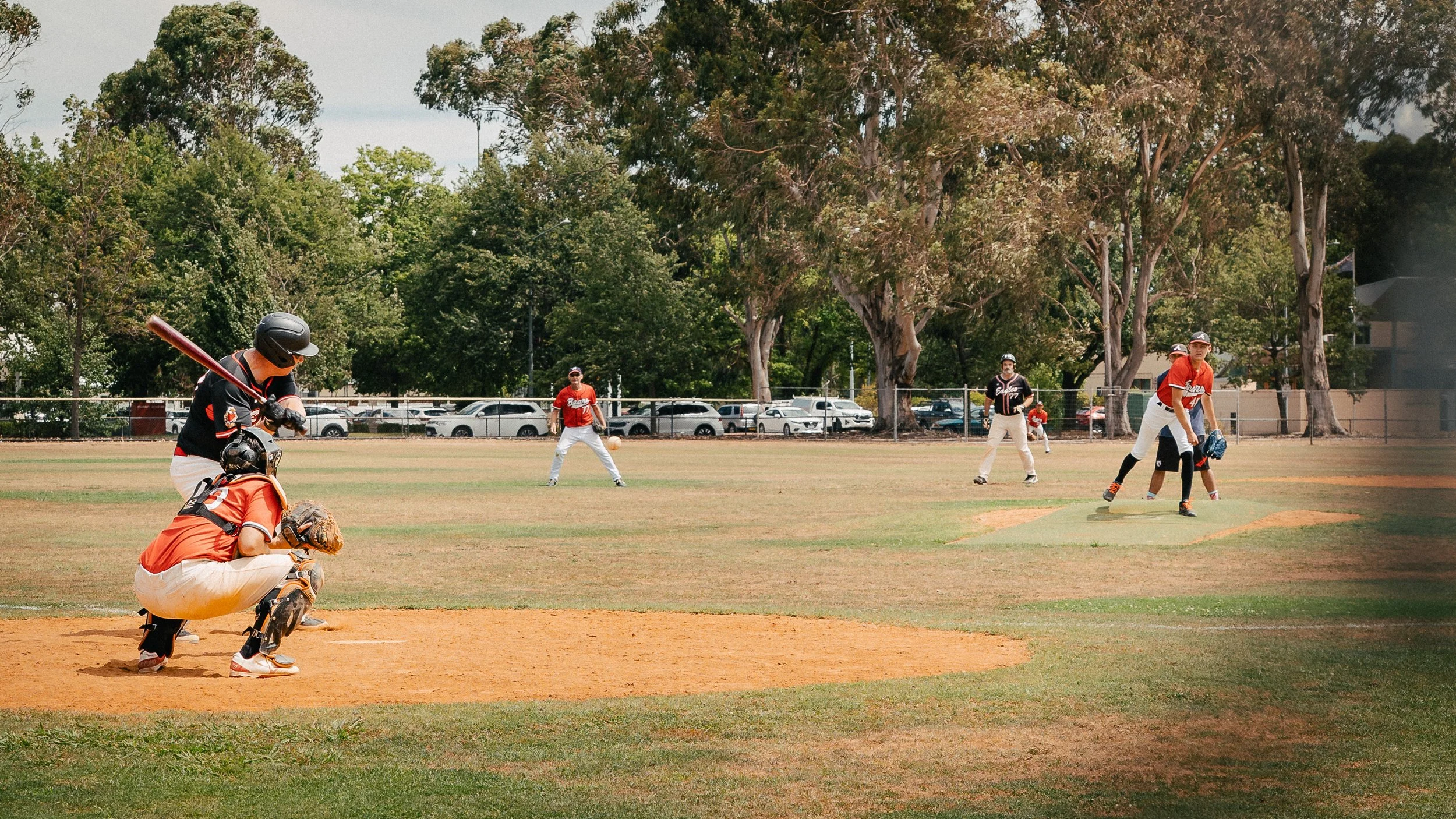
So when you finally step onto a local field – in this case Ainslie Oval on a 35‑degree Sunday arvo – it feels like walking into a memory you didn’t know you had.
A decade ago I lived just around the corner and first discovered Canberra’s surprisingly vibrant baseball scene. From semi‑professional imports to weekend warriors, the sport here has its own steady pulse. This particular heartbeat belonged to a fifth‑grade matchup between the Ainslie‑Gungahlin Bears and the Kambah Eagles.
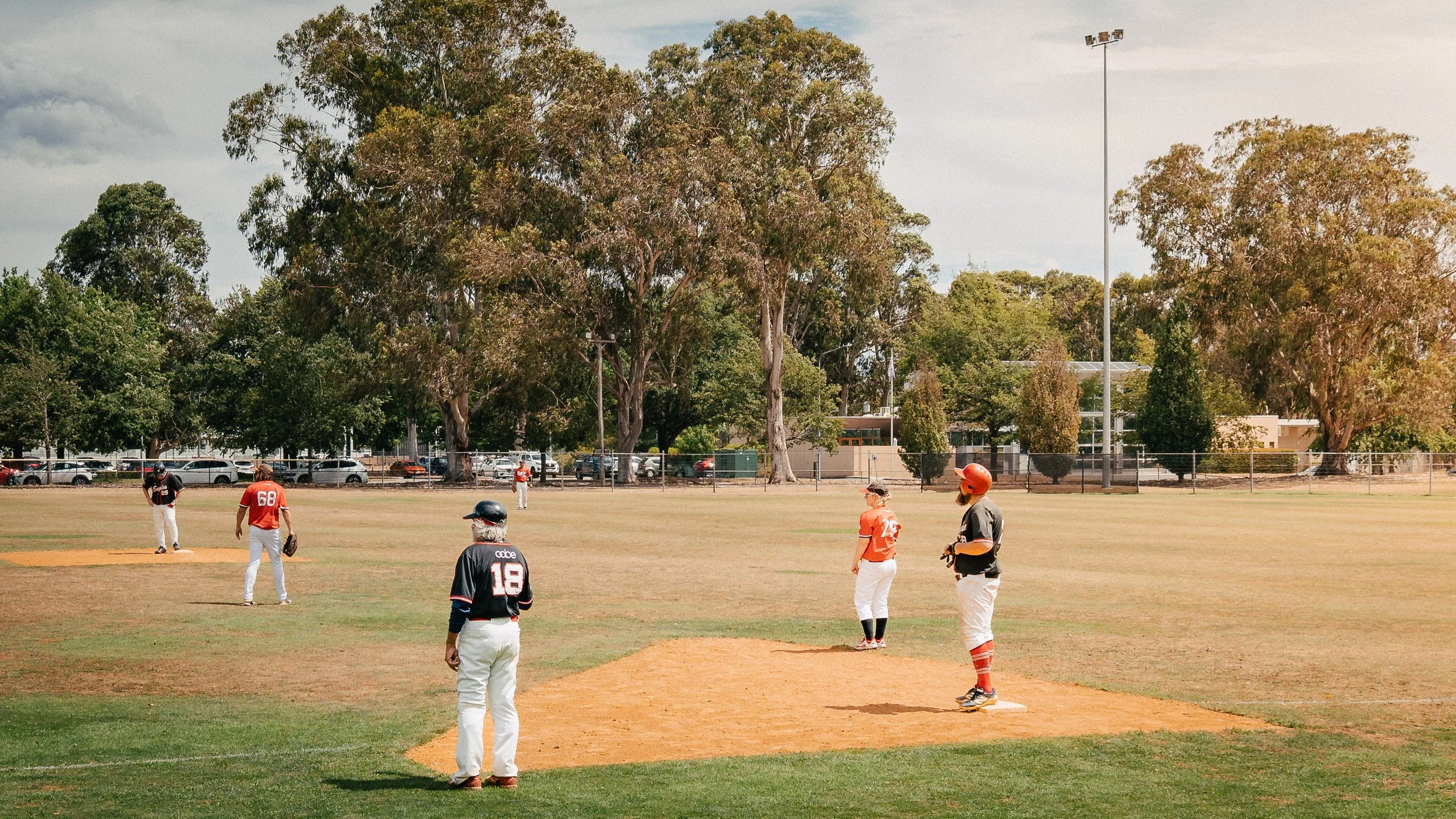
Telstra Tower watched from a distance, cars hummed along Limestone Avenue, and dust lifted lazily with each slide into base. The crowd was small but committed – friends, family and a few locals willing to sweat through the innings.
Before shooting, I checked in with one of the players, then positioned myself beside the dugout at roughly a 70‑degree angle behind home plate. It wasn’t elite‑level baseball, but what it lacked in polish it made up for in heart. Fist bumps between the batter and first base. Gloved slaps after clean catches. A frustrated swipe of the bat through the dirt after a strikeout. The game brimmed with character, and I wanted to capture that humanity as much as the action.
Tools of the trade
My kit for the afternoon was lightweight but versatile, built around my trusty Lumix G9II and three lenses:
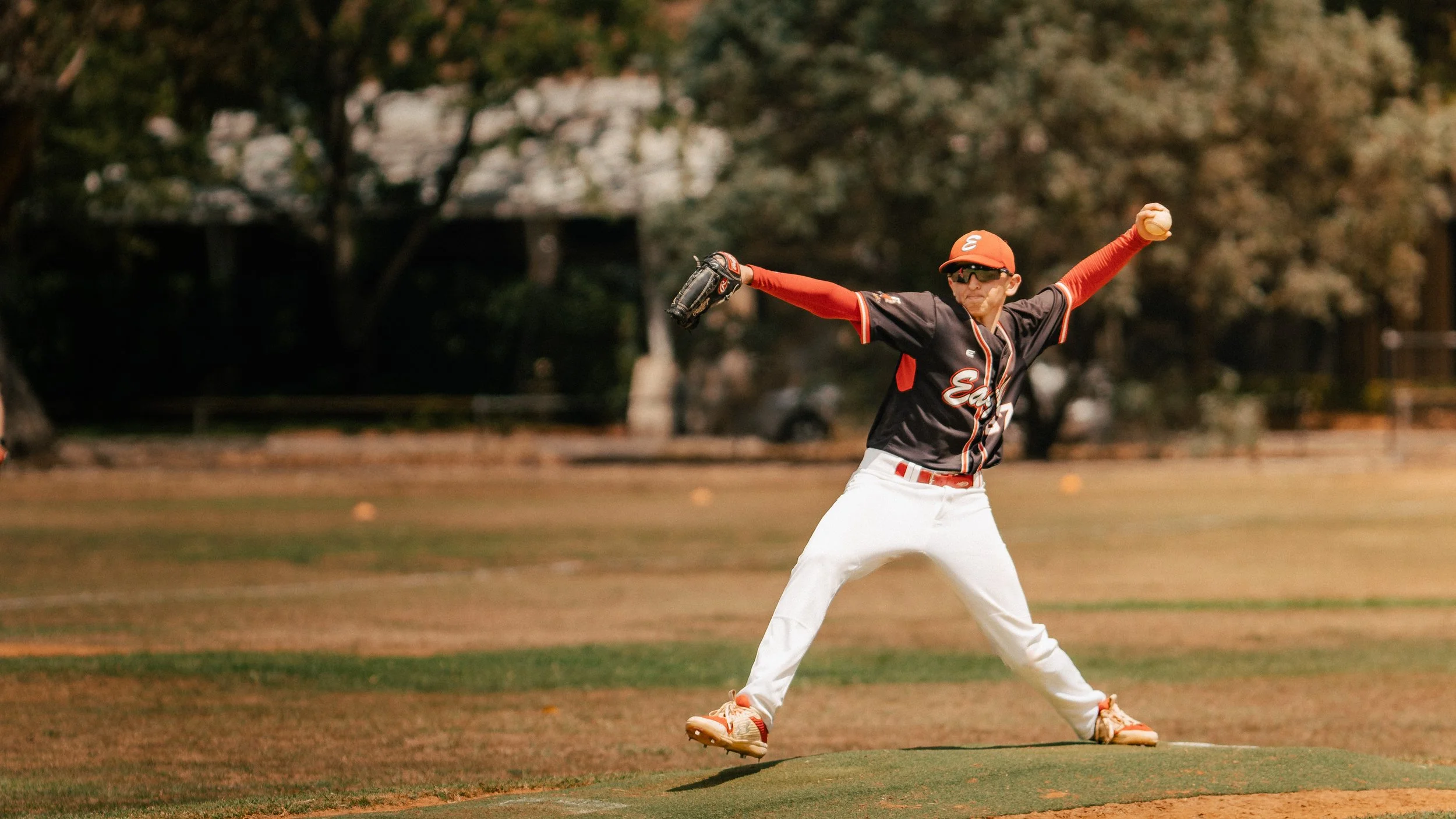
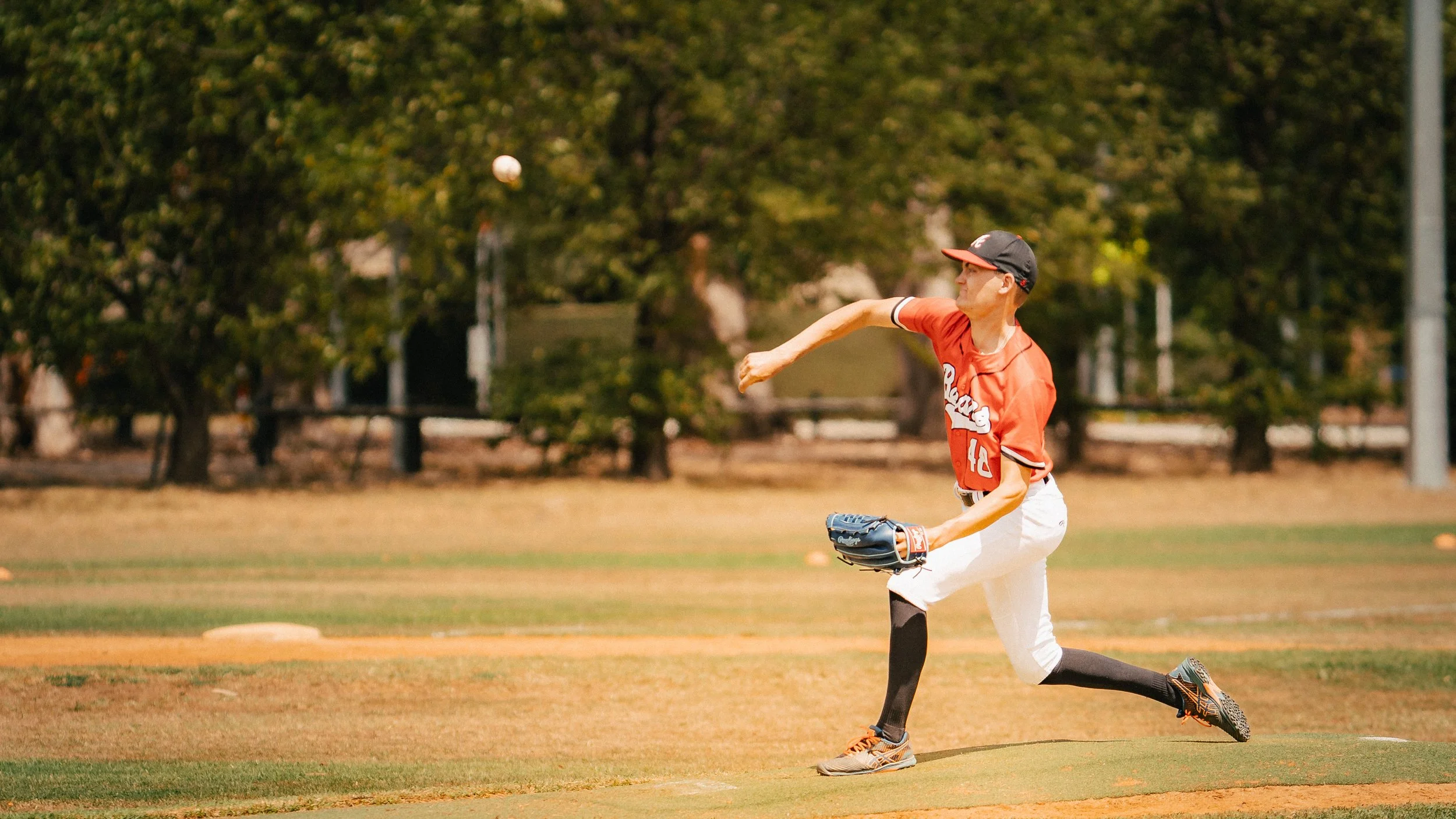
Rokinon 135mm f/2.0 – My favourite telephoto for field sports. Set at f/2.0, ISO 100 and 1/2500 sec, it delivered the creamy compression and subject separation needed to freeze every pitch, swing and catch.
Olympus 75mm f/1.8 – Paired with a variable ND filter, this lens shone for 100 fps video and tighter portraits around the bases and dugout.
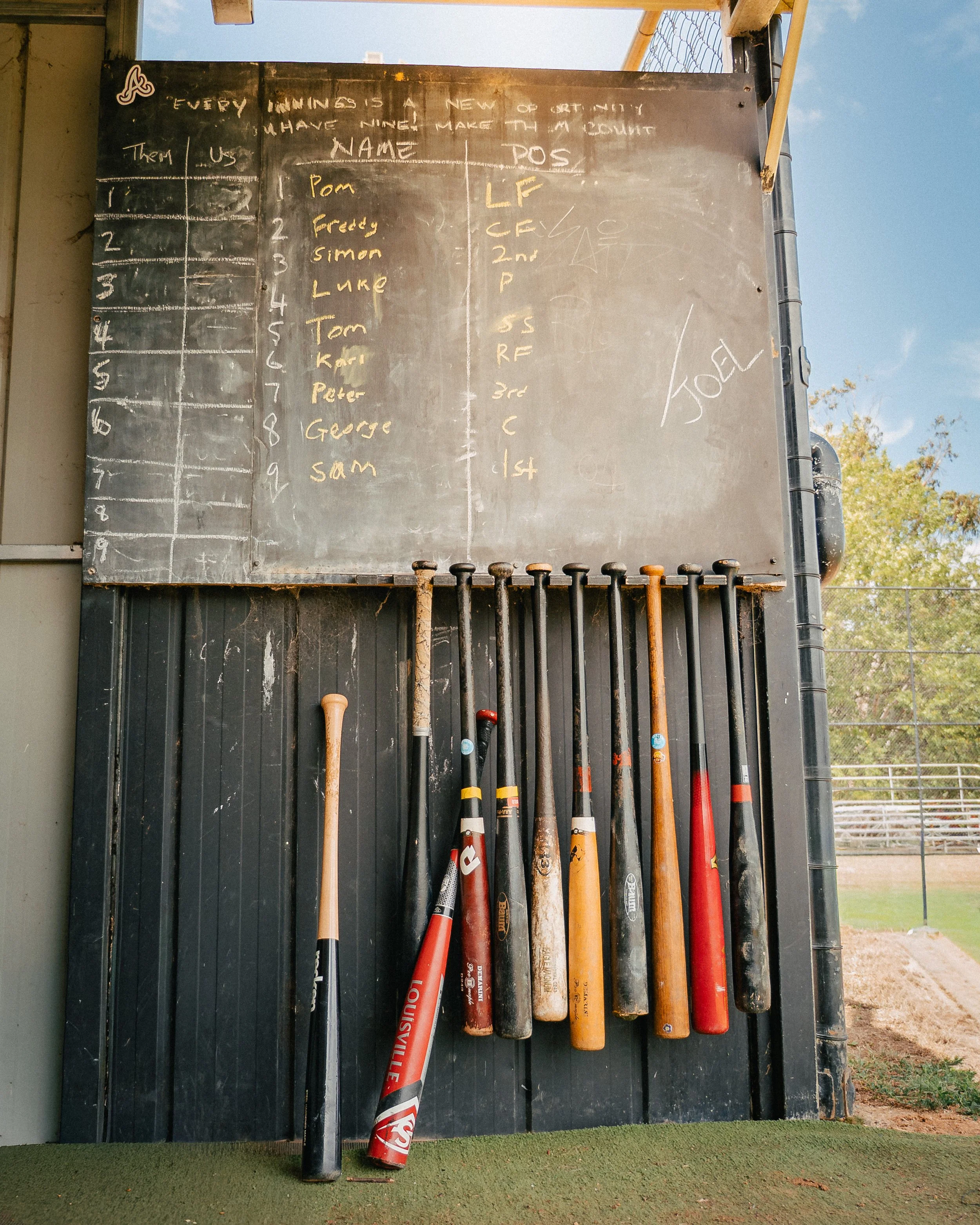
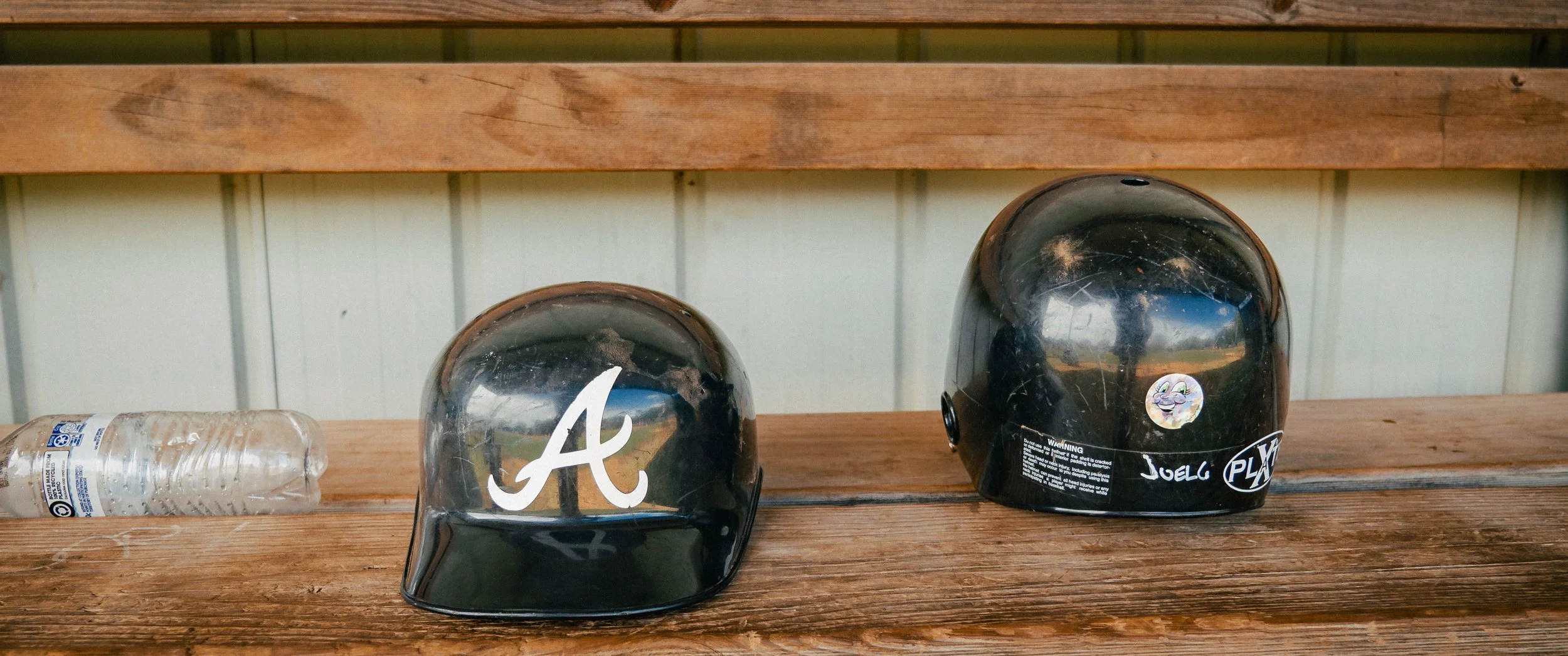
Lumix 12–35mm f/2.8 – Ideal for environmental storytelling: the chalkboard lineup, bats hanging under the dugout shelf, and ground‑level details like a lone baseball sitting in the dust.
For stability, I leaned on my recently acquired Manfrotto MVMX Pro Video monopod – a $70 Facebook Marketplace steal considering it retails for $600. Its fold‑out legs and smooth panning made tracking plays far easier. Rounding out the setup was the Feelworld F5 Pro X monitor, which made pulling focus on the manual Rokinon not only manageable but enjoyable.

Capturing motion where it unfolds
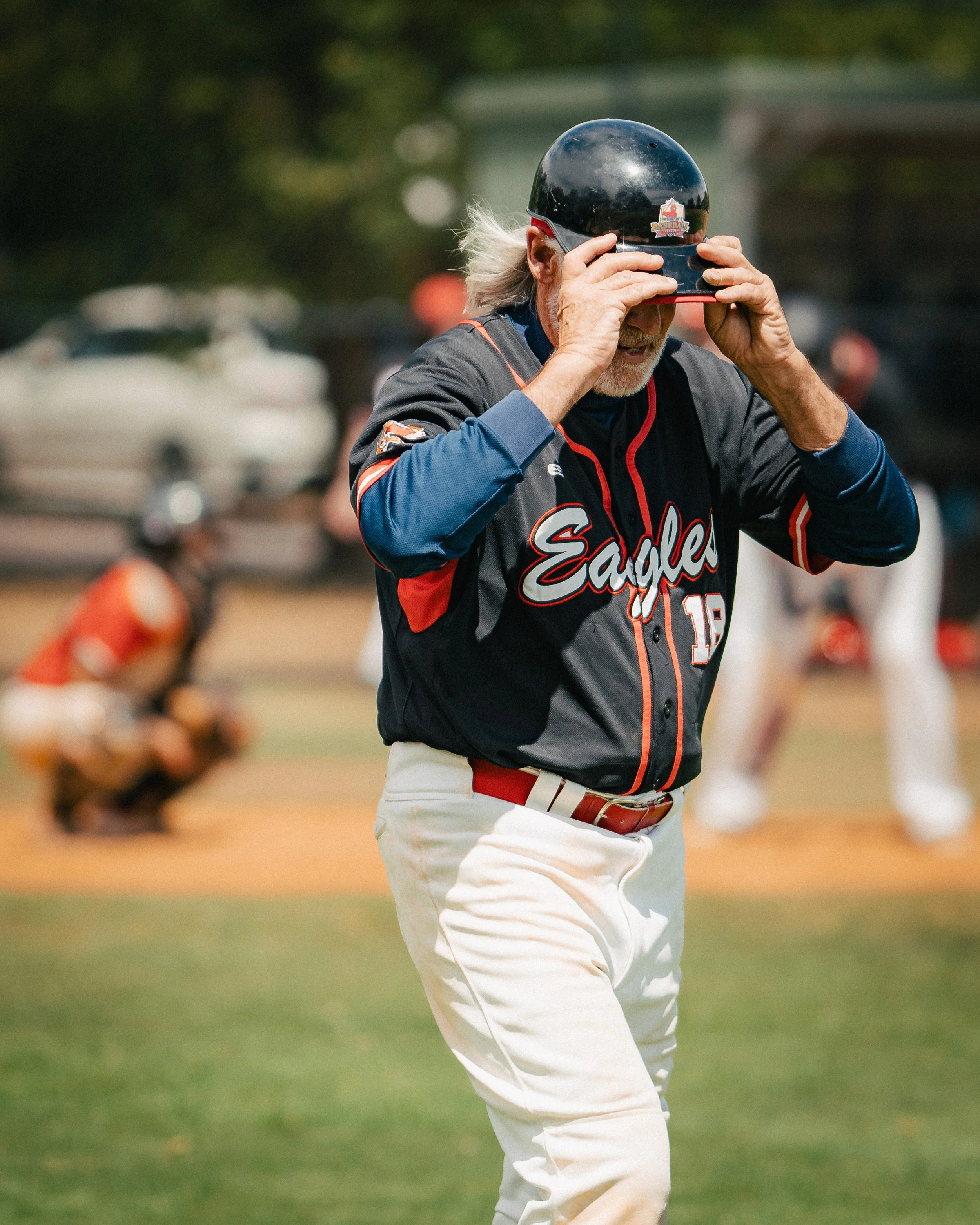
Baseball is a sport of micro‑moments – tension building quietly before bursting into motion – and I shifted around the diamond to honour that rhythm. I focused on:
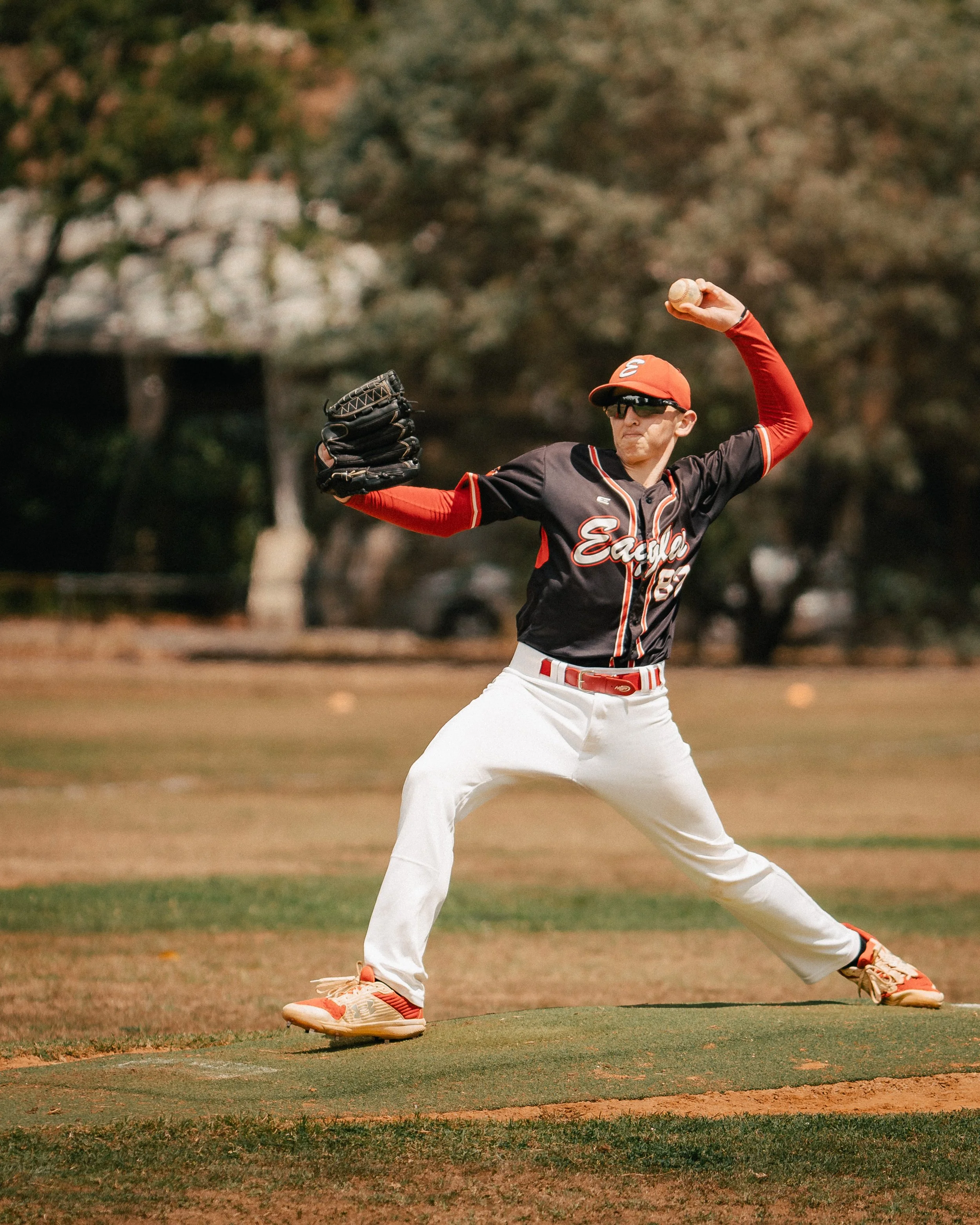
the pitcher’s wind‑up
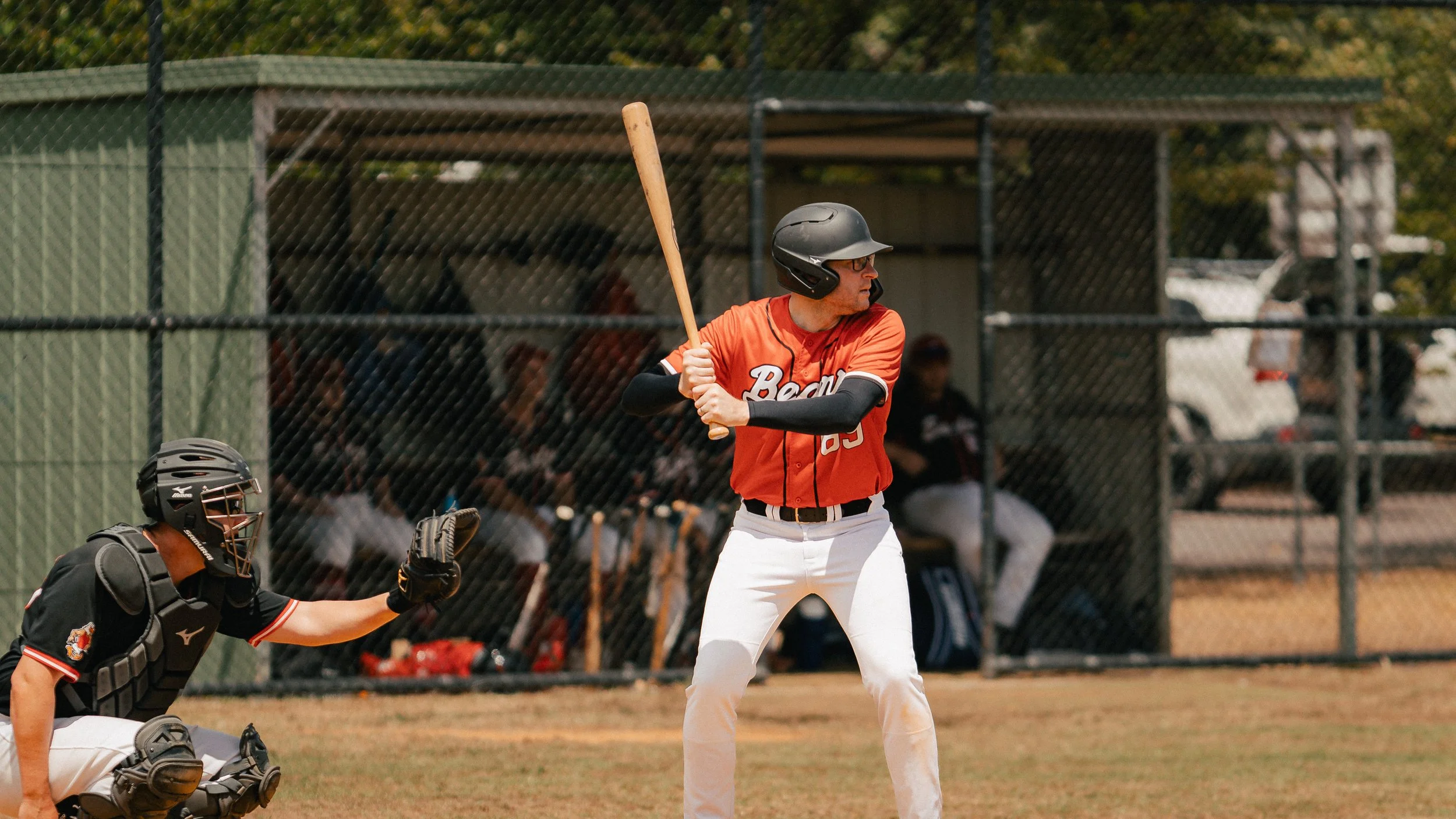
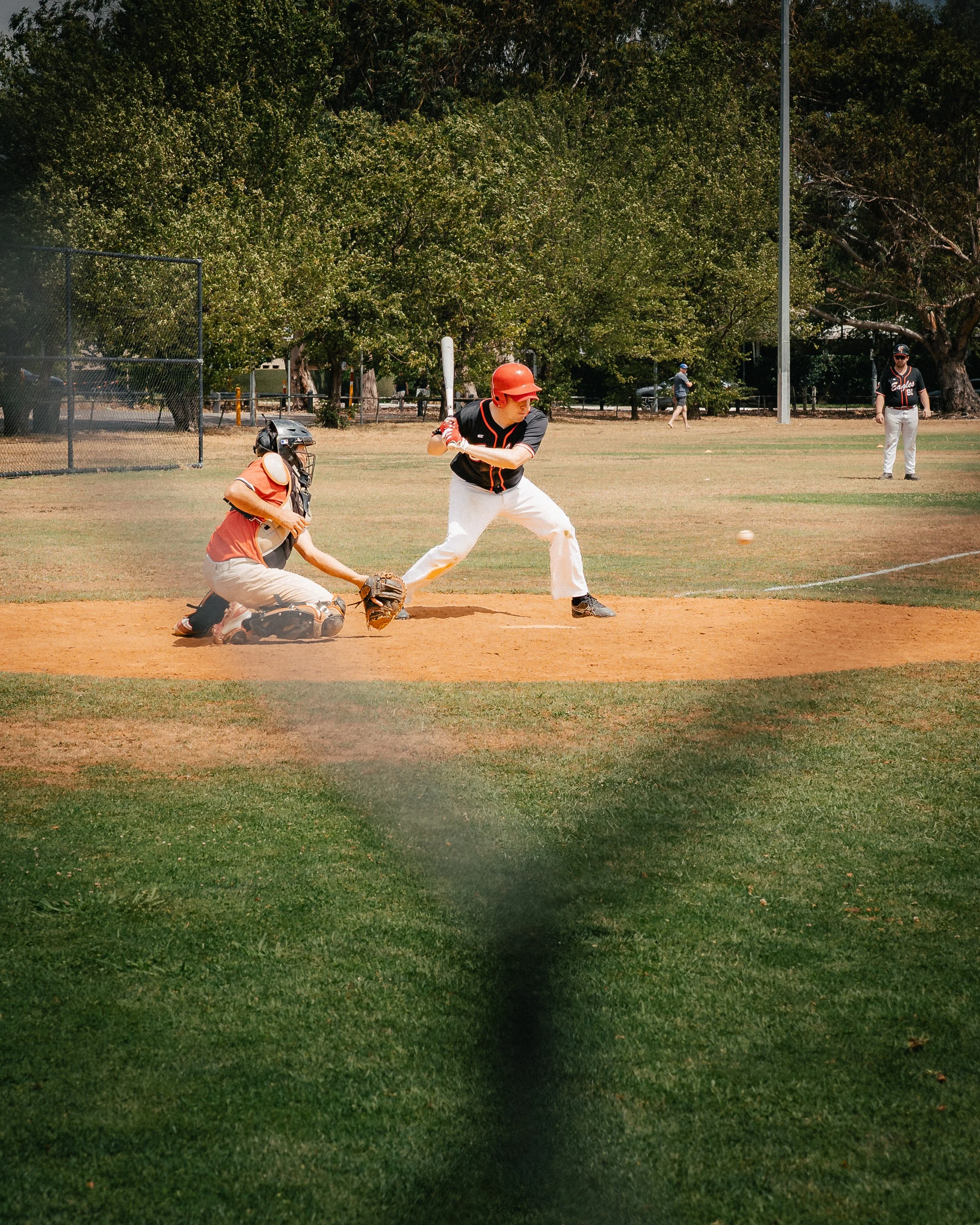
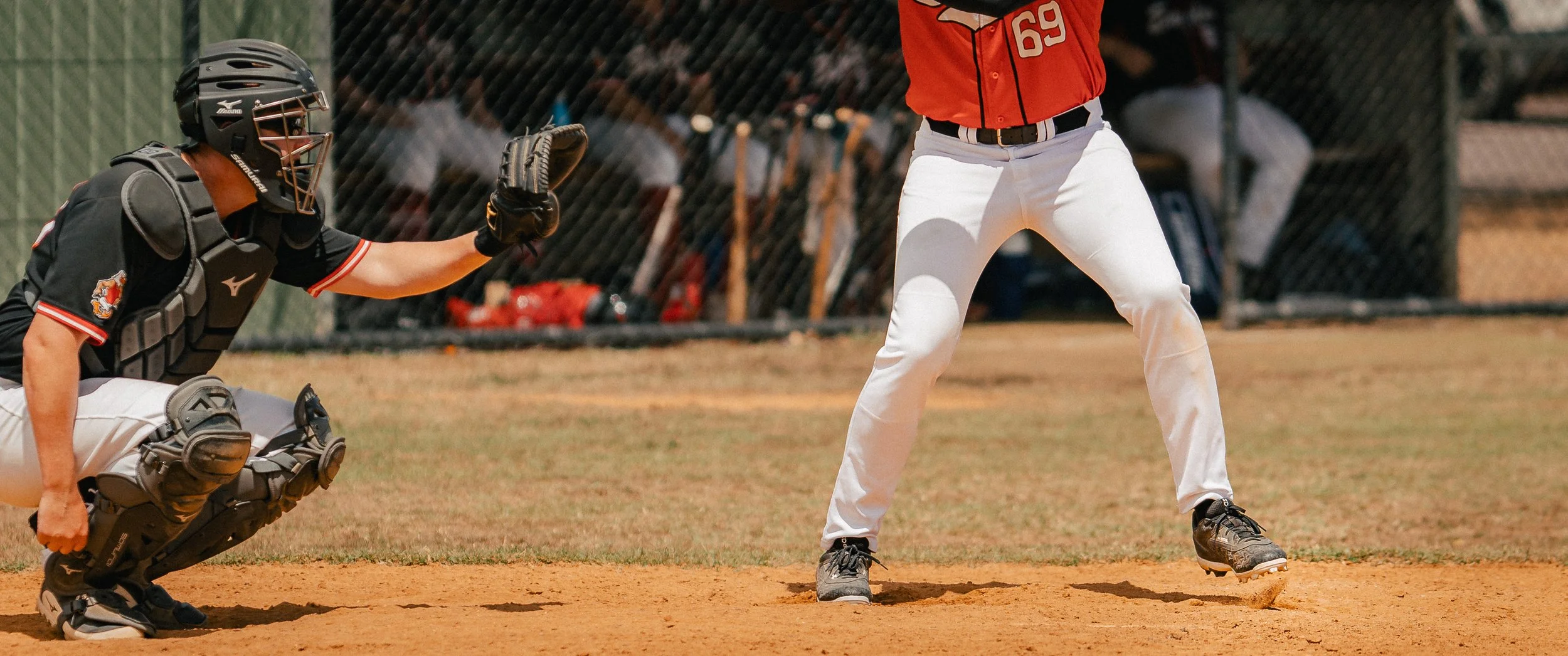
the batter–catcher duel
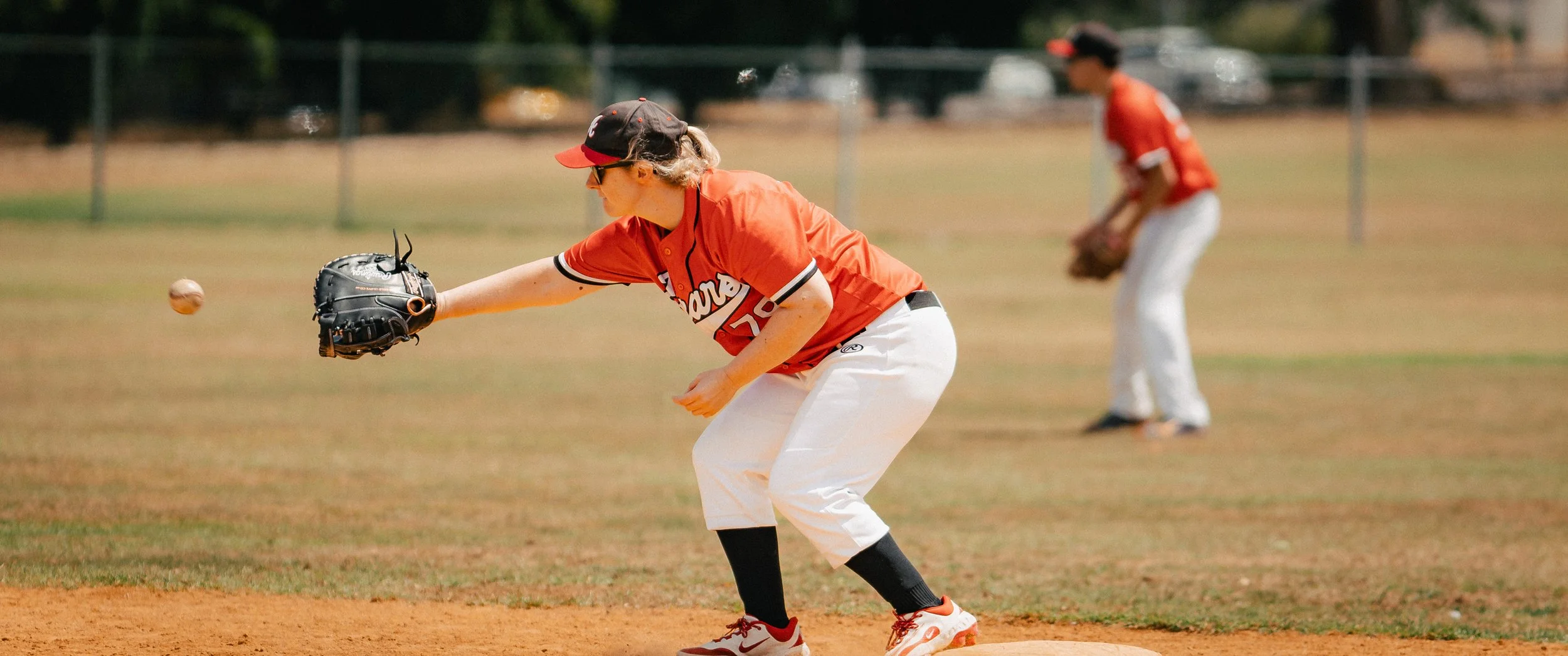
plays at first
outfielders’ stretches and sprints
High shutter speeds froze action cleanly, while burst mode helped capture split‑second expressions and decisive contact.
Outdoor sports are usually easier than dim stadium interiors, but the harsh midday sun still demanded careful exposure. Fast shutter speeds and wide apertures did most of the heavy lifting.

Angles, layers and the fence as a frame
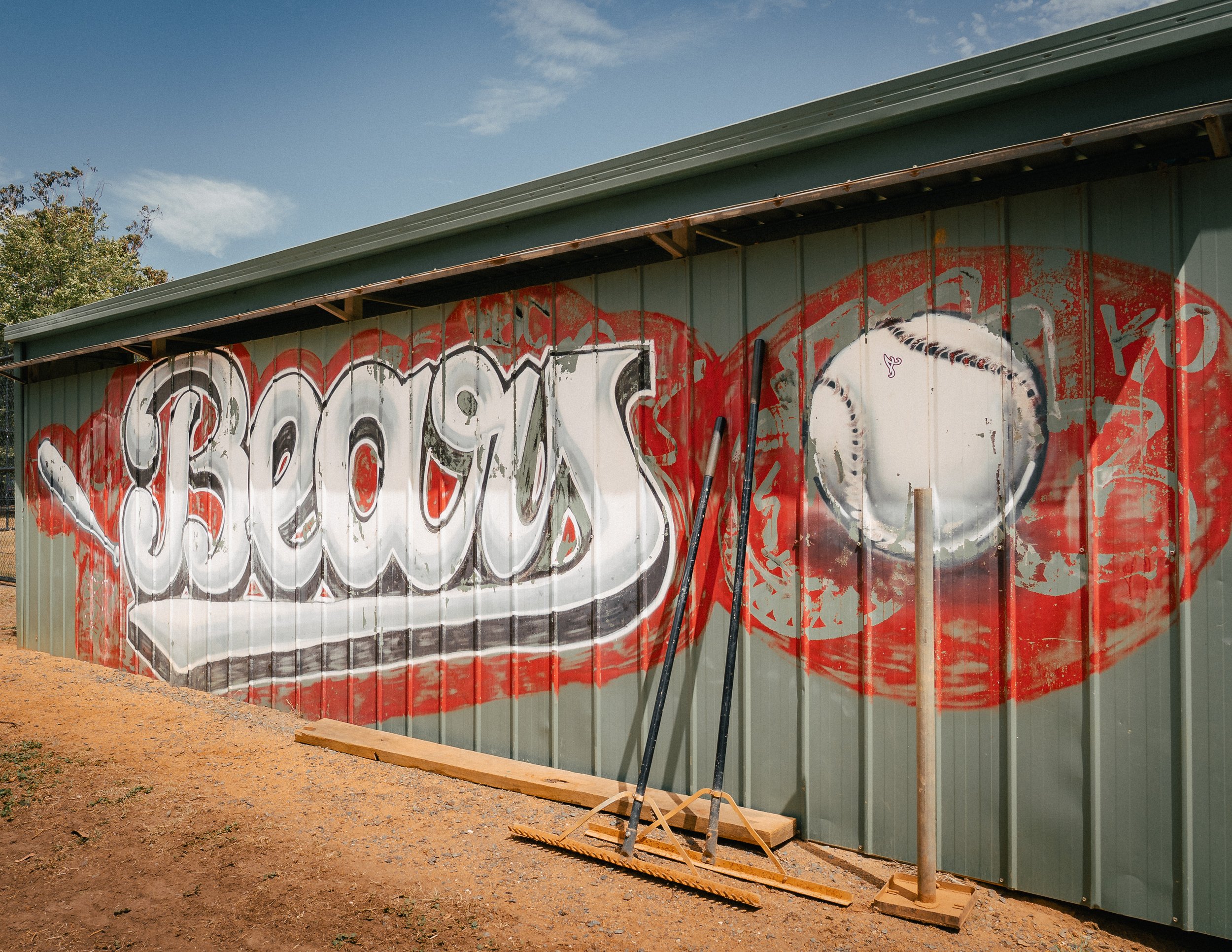
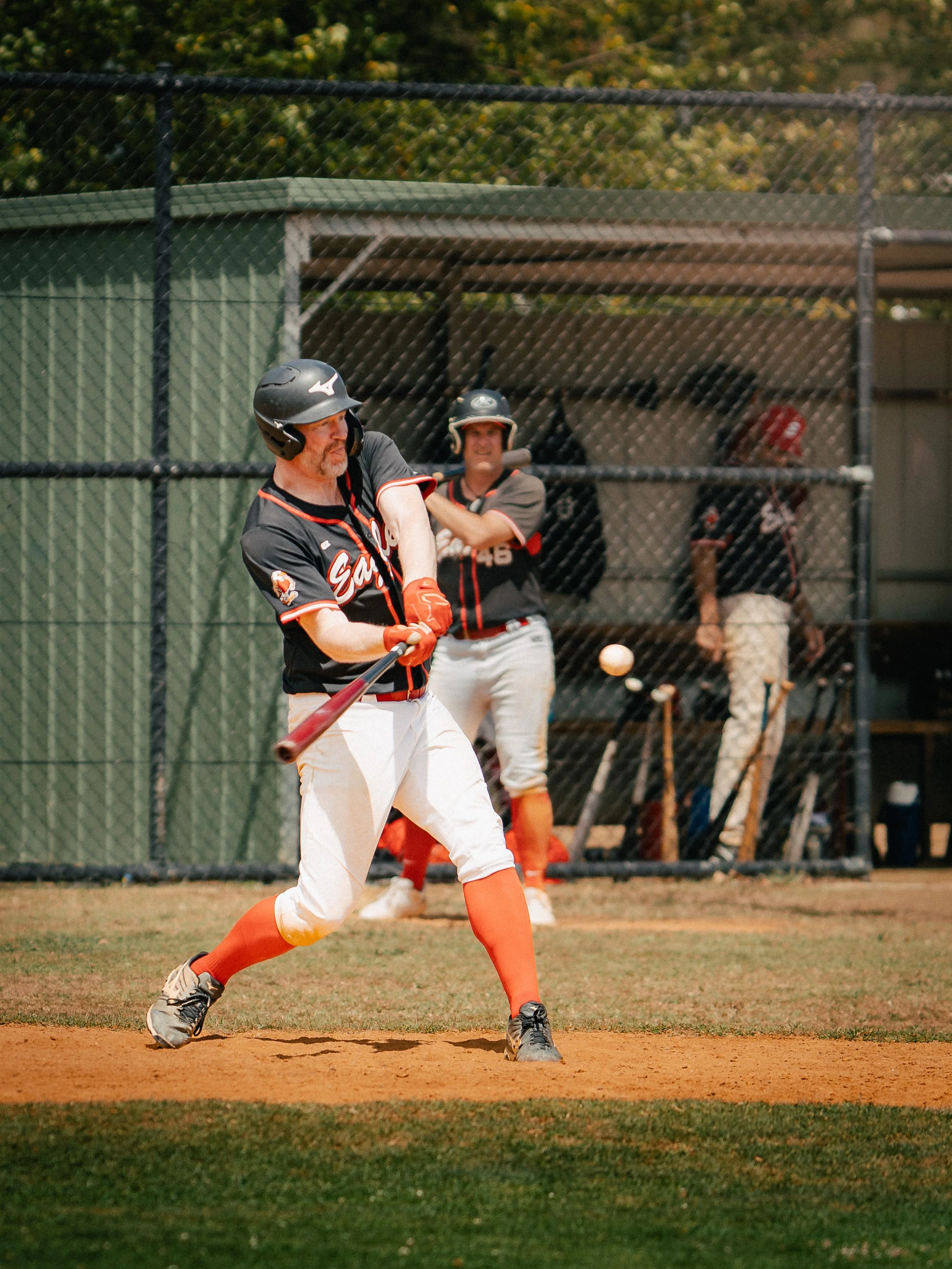
Baseball is a geometric playground – chalk lines, arcs, fences, dugout textures and the diamond itself. Some of my favourite compositions came from shooting through the mesh behind home plate, letting the fence become an imperfect frame and natural set of leading lines.
Other moments came from the ground up: bats hanging neatly beneath the lineup board, a baseball resting in the dirt, or the sideline energy that shifts subtly with each inning. Changing position and focal length kept the gallery varied and lively.
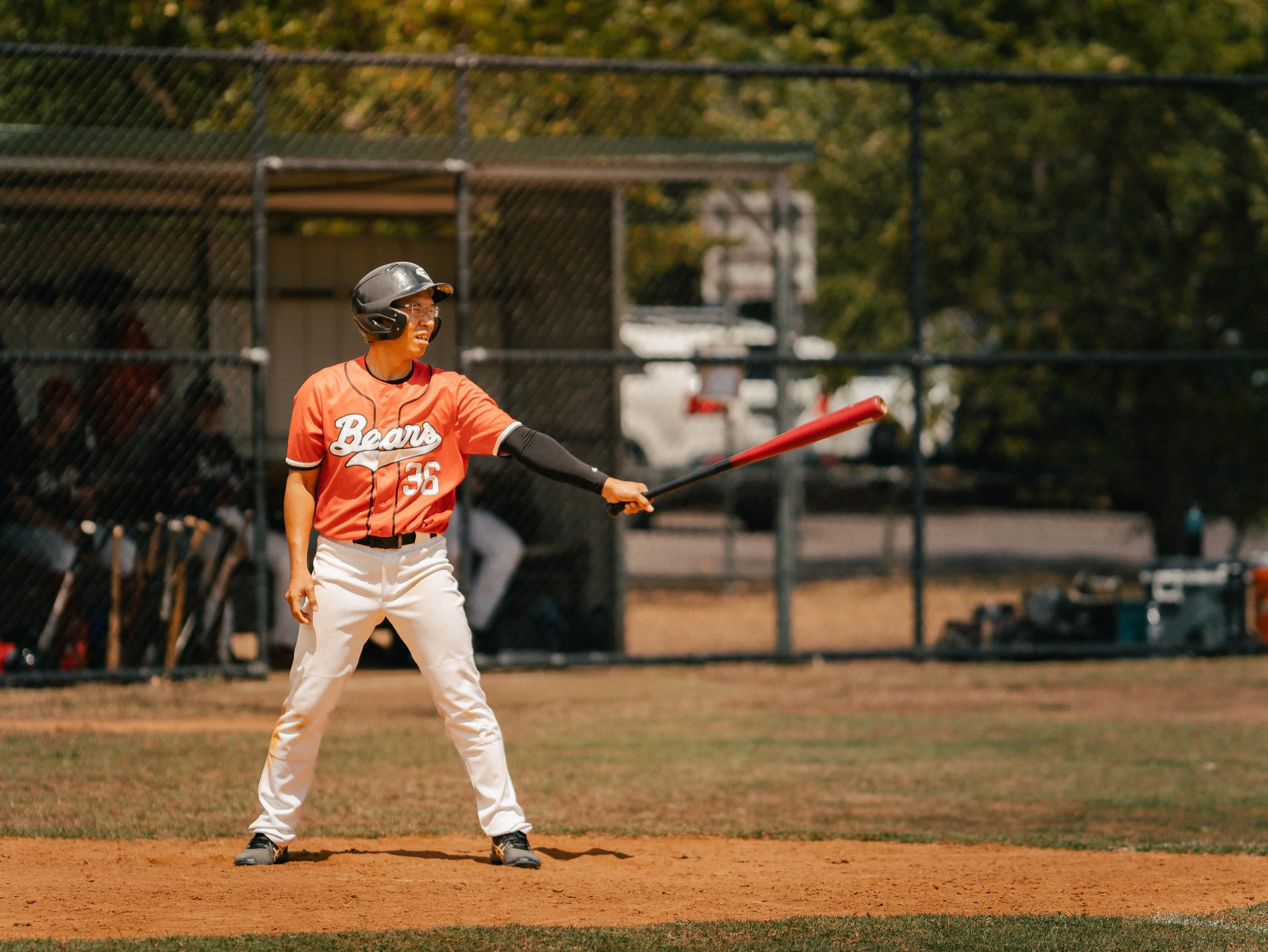
One image in particular stayed with me: a batter holding his bat out toward the pitcher. It was part of his warm‑up, but the gesture carried its own mythology. Was it bravado? A prediction? A challenge? I’ve learnt through street photography that ambiguity can be powerful – here, it gave the frame a deeper narrative.
Colour, grain and the nostalgia of summer sport
For the edit, I leaned into the warmth and nostalgia of community baseball, aiming for a 90s‑rich aesthetic:
warm midtones and highlights
lifted blacks for a soft, filmic roll‑off
a touch of grain for texture and grit
I’ve never been a big believer in adding grain – it often feels overused or unnecessarily trendy – but photography is about experimentation, and here it worked. The grain echoed the dust, heat and memory‑soaked atmosphere of the afternoon, aligning perfectly with the story the images were telling.
Why sports photography still belongs to humans
There’s something deeply satisfying about photographing people doing what they love. Sport makes that overlap between passion and performance uniquely visible. Baseball, with its stretches of stillness punctuated by sudden bursts of energy, is especially rewarding.
And in a world increasingly shaped by AI, I’m convinced sports photography will remain unmistakably human. You can’t fabricate the exact kick of dust from a slide, the fleeting grimace after a strikeout, or the small, satisfied smile that follows a clean hit. Sport is theatre. It is emotion. It is truth.
It offers unrepeatable, unscripted moments shared between teammates, opponents and spectators. We might happily upload a selfie into a well‑prompted generator to produce a flawless “Hollywood” headshot, but sport resists shortcuts; those watching and participating keep us honest. That honesty infuses every shot, swing, steal, punch, pitch or pass with a connection that can only come from the real thing.
These moments are authentic – and they matter.